Ford Kuga vs Dacia Bigster
Figures updated
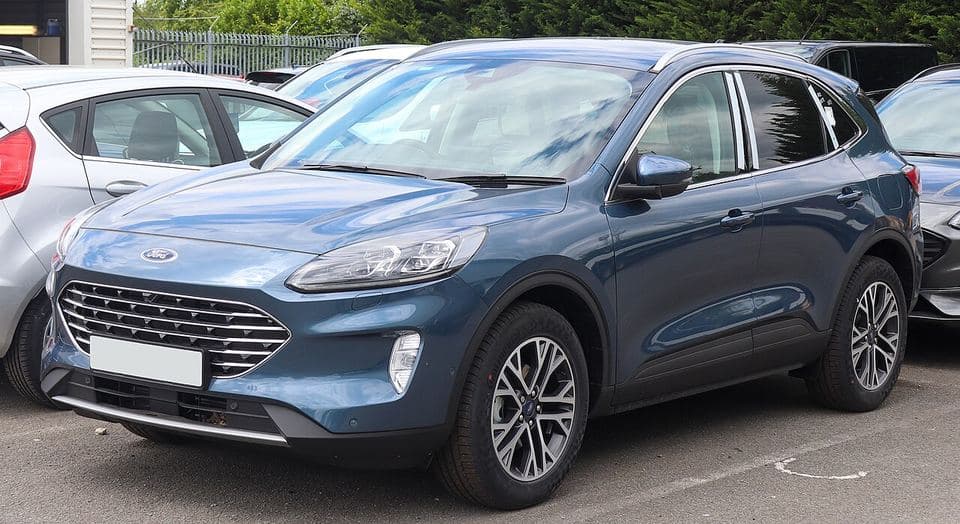
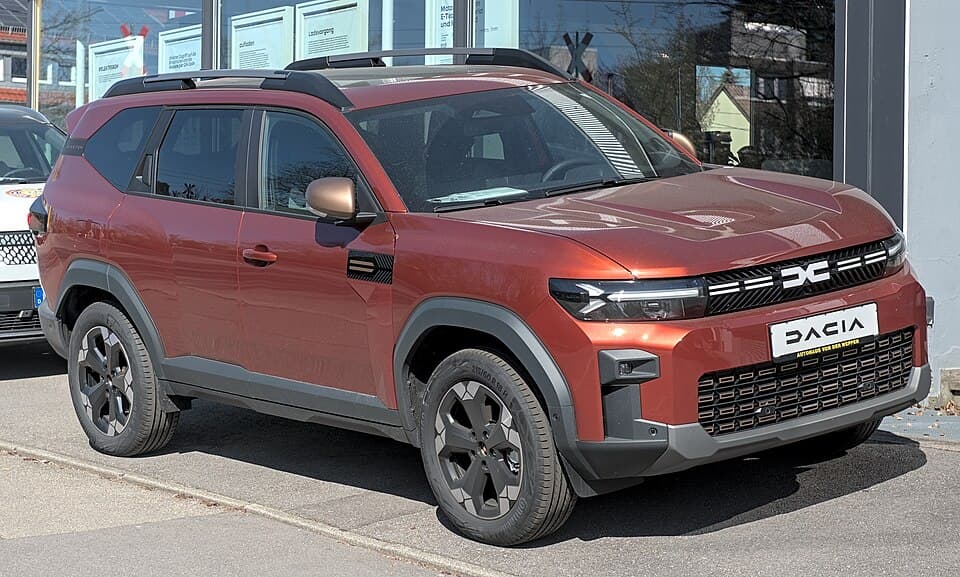
The Dacia Bigster is a new rival to the Ford Kuga, one of the UK's most popular family SUVs. We compare the Mk3 (2019–) Kuga and the Mk1 (2025–) Bigster on price, size, boot space, performance, safety, official economy and running costs.
The short answer
Pick the Ford Kuga for more performance, or the Dacia Bigster for the lower price and the bigger boot.
- The Dacia Bigster is the cheapest to buy new: from £25,215, £8,120 less than the Ford Kuga.
- The Dacia Bigster has the biggest boot: 677 litres, 265 more than the Ford Kuga.
- Euro NCAP safety: Ford Kuga 5 stars (2019), Dacia Bigster 3 stars (2024). Ratings from different years aren't directly comparable, as the tests get tougher.
- No MOT reliability comparison yet: the Dacia Bigster is too new for MOT records (cars first take an MOT at three years old).
- Running costs are close: the petrol versions cost within £10 a year of each other to fuel at 7,500 miles a year.
| Figure | Ford KugaMk3 (2019–), 5-door SUV | Dacia BigsterMk1 (2025–), 5-door SUV |
|---|---|---|
| Price and practicality | ||
| Price newUK list prices, across the range | £33,335 to £44,330September 2026 price list | £25,215 to £29,515July 2026 price list (best) |
| Body | 5-door SUV | 5-door SUV |
| Seats | 5 | 5 |
| BootSeats up / folded | 412 litres / 1,534 | 677 litres / 1,937 (best) |
| Length | 4,604mm | 4,570mm |
| WidthWithout mirrors | 1,882mm | 1,813mm |
| Height | 1,679mm | 1,712mm |
| Performance | ||
| Power | 150–243 PS (best) | 140–158 PS |
| 0–62mph | 7.3–9.5 sec (best) | 9.7–9.8 sec |
| Safety | ||
| Euro NCAP ratingTests get tougher each year | ★★★★★ (2019) | ★★★★★ (2024) |
| Economy and emissions | ||
| Fuel types | Diesel, Hybrid, Petrol, Plug-in hybrid | Hybrid, Petrol |
| Official economyVersions of this generation | 37.2–60.1 mpg | 46.3–61.4 mpg |
| CO2 | 21–198 g/km | 105–137 g/km |
| Running costs at 7,500 miles a year | ||
| Petrol or hybrid171.8p a litre, today's UK average | £1,120 (52.3 mpg) | £1,120 (52.3 mpg) |
| Diesel198.4p a litre | £1,364 (49.6 mpg) | – |
| Cheapest version to fuelWhichever fuel costs least | £1,120 (petrol) | £1,120 (petrol) |
| Car tax a yearCars registered from April 2017 | £200£640 in years 2–6 for versions listed over £40,000 | £200 |
| Reliability from real MOT tests | ||
| Reliability score | 116Well above average | Too new for MOT data |
| Failed MOT first time (ages 3–20) | 20.8% | – |
| Failed at 3 years old | 9.6% | – |
| Failed at 5 years old | 15.3% | – |
| Failed at 10 years old | 27.2% | – |
| Most common MOT fault | Brake pads (2.9% of tests) | – |
| Fails more than average on | Nothing stands out | – |
| MOT tests analysed | 282,268 | – |
| About the cars | ||
| Type | Family SUV | Family SUV |
| Owners' average miles a year | 8,600 | – |
| On sale | 2019 on | 2025 on |
Green marks the better figure where the difference is more than 3%. Reliability figures cover every version of each model tested in the year. Running costs use the typical official economy of recent versions (WLTP where available); real-world economy is usually a little worse for every car.
More comparisons
Frequently asked questions
›Is the Ford Kuga or the Dacia Bigster more reliable?
It's too early to say from MOT records: the Dacia Bigster is too new, as cars take their first MOT at three years old. The Ford Kuga has a reliability score of 116 (100 is average) from 282,268 MOT tests in 2024.
›Which is bigger, the Ford Kuga or the Dacia Bigster?
The Ford Kuga is 34mm longer (4,604mm against 4,570mm). The Dacia Bigster has the bigger boot: 677 litres against 412.
›Which is cheaper to buy, the Ford Kuga or the Dacia Bigster?
The Dacia Bigster: new prices start at £25,215, £8,120 less than the Ford Kuga (from £33,335). These are manufacturer list prices; dealers and brokers often sell for less.
›Which is cheaper to run, the Ford Kuga or the Dacia Bigster?
Comparing petrol versions, fuel costs are within £10 a year of each other at 7,500 miles, using typical official economy and current UK average fuel prices.
›Which is safer, the Ford Kuga or the Dacia Bigster?
Euro NCAP gave the Ford Kuga 5 stars (2019) and the Dacia Bigster 3 stars (2024). Euro NCAP makes its tests tougher every few years, so ratings from different years aren't directly comparable.
›Should I buy the Ford Kuga or the Dacia Bigster?
Pick the Ford Kuga for more performance, or the Dacia Bigster for the lower price and the bigger boot. The comparison above sets out price, space, performance, safety, running costs and reliability side by side.
Sources: manufacturers' UK specifications and price lists and Euro NCAP (listed on each model's page); DVSA anonymised MOT tests 2024 (Open Government Licence v3.0); Vehicle Certification Agency car fuel data, © Crown copyright, VCA cannot accept liability for its accuracy; fuel prices from the GOV.UK Fuel Finder scheme. Photos from Wikimedia Commons, credited under each picture.